Why Do Garment Bags Use 280-400 Denier Linings?
When it comes to choosing the perfect suit garment bag lining, the textile weight and quality are often overlooked yet absolutely critical. Whether you’re jetting between London and New York for a client meeting or simply need a reliable solution for weekend business trips, understanding why garment bags commonly feature 280-400 denier lining can give you an edge in durability, comfort, and ultimately your packed look.
Choosing Your Bag Archetype by Travel Scenario
Before we dive into fabric science https://dlf-ne.org/leather-weekender-vs-canvas-hybrid-which-looks-more-formal/ and durability cycles, it’s important to consider which type of garment bag suits your travel needs. The market is rich with options, from full-length carry-on garment bags to foldable weekender pieces.
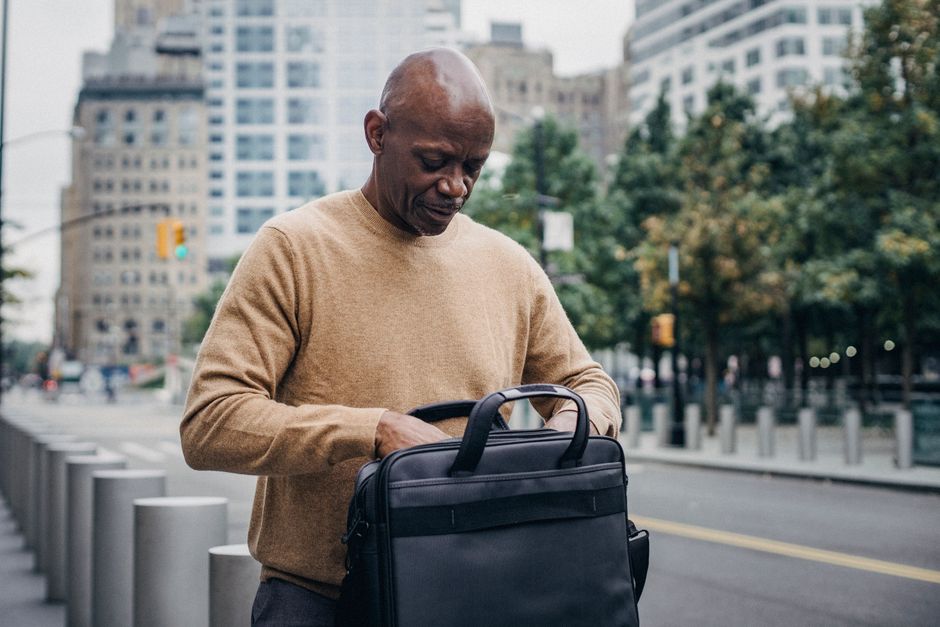
- Business commuter: Frequent one-day or overnight trips demand a compact garment bag that fits overhead bins, suits won’t wrinkle, but still offers some cushioning.
- Long-haul jetsetter: Larger garment bags capable of holding two suits or multiple dress shirts along with shoes are crucial here, focusing on capacity more than ultra-lightweight.
- Occasional traveler: If you’re packing a single suit every few months, the comfort and style of your bag matter, but heavy-duty durability might take a back seat.
Brands like Revfine.com have navigated these distinctions brilliantly, offering a spectrum of garment bags that balance size, material, and features without excess weight.
Materials That Make or Break Durability
Let’s get technical for a moment. The textile industry uses “denier” to measure the thickness of yarns—the higher the denier, the thicker and heavier the fabric. For garment bag linings, the 280-400 denier range has emerged as the “sweet spot” for several reasons:
Denier Range Typical Use Durability Weight Feel & Performance Less than 200 denier Lightweight backpacks, rain covers Low; prone to abrasion Very light Thin, less durable 280-400 denier Garment bag linings, mid-weight luggage Medium-high; withstands rubbing and packing Moderate; balances weight and strength Smooth, soft & protective to textiles underneath Over 600 denier Heavy-duty luggage, backpacks High; very abrasion resistant Heavy Rough, stiffAs Applied Polymer Science explains in their extensive durability testing, fabric durability often correlates with the number of rub cycles endured before breakdown. For garment bags, a 280-400 denier lining typically achieves over 12,000 rub cycles—a key benchmark that prevents wool felting and fabric fuzzing inside your bag’s lining.
Preventing Wool Felting: Why It Matters
One frequent customer complaint about cheaper garment bags is how their wool https://dlf-ne.org/is-a-2-2-3-5-pound-nylon-backpack-better-than-a-3-5-5-0-pound-leather-one/ or worsted suits end up with surface fuzz or 'felting' after repeated packing. That’s not just poor unloading technique; it’s often caused by the lining fabric’s abrasive qualities. Lower denier linings are too thin and let suit fibres become disturbed through constant abrasion.
Midweight linings in the 280-400 denier range, meanwhile, create a soft but resilient barrier. This reduces the friction between your precious garments and the bag lining, preserving fabric integrity and appearance.
Weight vs Comfort vs Perceived Load
Carrying your garment bag through airports means negotiating rolling distances and overhead bin space. In my 11 years of airline operations and travel gear testing, I count the number of steps and seriously assess rolling noise and handle wobble—things marketers often ignore. Weight is one of the few strictly objective factors here.
Many bags tout themselves as “premium feel” without quantifying handle firmness or bag chassis weight. When you select a garment bag with a 280-400 denier lining, you get a valued balance:
- Light enough to avoid becoming a “brick” struggle on the shoulder or rolling chassis.
- Sturdy and resilient lining that handles long-distance dragging and suitcase cram sessions inside overhead bins.
- Breathable and soft to protect suits from humidity and static cling.
Brands like Von Baer exemplify this balance with their signature garment bags built for comfort without sacrificing load capacity.
Perceived Load vs Actual Weight
Remember that what you feel on your shoulders or wheels is only partially the bag weight. The packing style, garment type, and capacity significantly influence perceived load. Speaking of capacity...
Capacity in Litres and Real Packing Outcomes
Many garment bag specs include volume in litres, but what does that really mean in practice? A 20-litre bag might sound small until you consider the packing dimensional changes of suits, shirts, and accessories.
In realistic use:
- A 280-300 denier garment bag lining inside a bag with ~18-25 litre capacity comfortably holds one full suit, a dress shirt, and accompanying accessories without bulging.
- Going up to 350-400 denier linings often coincides with slightly larger bags achieving around 30-35 litres, which can take two suits plus shoes.
The nuance is that at the upper end of the denier range, the lining fabric itself adds some frame stability without drastically increasing weight. This feature directly translates to better packing shape retention and wrinkle prevention.
One useful insight from industry peers on LinkedIn and travel gear enthusiasts on X (Twitter) is the emphasis on lining choice as much as shell fabric for maximum outcome. The lining is often underrated yet doing the heavy lifting in bag longevity.
Final Thoughts: Why 280-400 Denier Is Practical, Not Just Marketing
So why do so many garment bag makers utilize a 280-400 denier lining fabric? In a nutshell:
- It hits the right durability benchmark—over 12,000 rub cycles prevent wool felting and retain smooth texture based on credible textile testing.
- It balances weight and protection—you don’t get a brick, but you do get a liner tough enough for real travel conditions.
- It preserves garment integrity through stitch-to-pack cycles providing superior comfort and capacity configurations.
Ignore vague claims about “premium feel” alone—check the specs, fabric denier, and test outcomes. Trusted companies like Revfine.com and Von Baer don’t skip these essential details because they know a garment bag isn’t just about looking good—it’s about surviving real-world tile-grinding airports without your suit turning into a suitcase casualty.